Virgin vs Recycled Tungsten Carbide Blades Comparison: Performance and Sustainability
Introduction
When precision and durability are critical,
tungsten carbide blades deliver unmatched performance.
But as sustainability becomes a key concern for modern manufacturers, many are rethinking their material choices.
Should you invest in virgin tungsten carbide or opt for recycled tungsten carbide blades?
This virgin vs recycled tungsten carbide blades comparison explores the key differences in performance, cost, and environmental impact—helping you choose the ideal solution for your production process.
What Is Tungsten Carbide?
Tungsten carbide is a composite material made of about 88% tungsten carbide particles bonded with 12% cobalt.
The result is an extremely hard, wear-resistant metal (HRC ~92) that outperforms steel in high-demand cutting environments.
Commonly used in
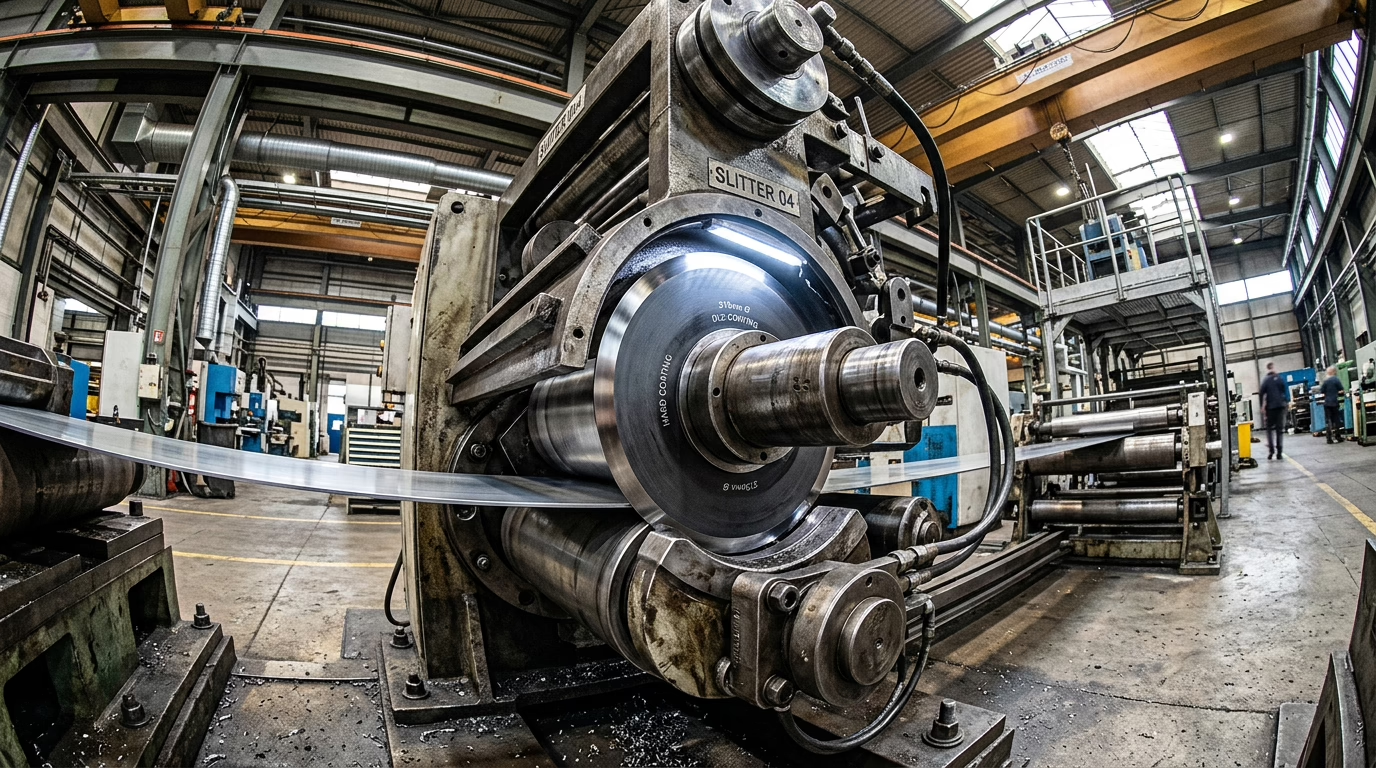
industrial cutting applications, tungsten carbide blades excel in slitting films, foils, textiles, composites, and even in the
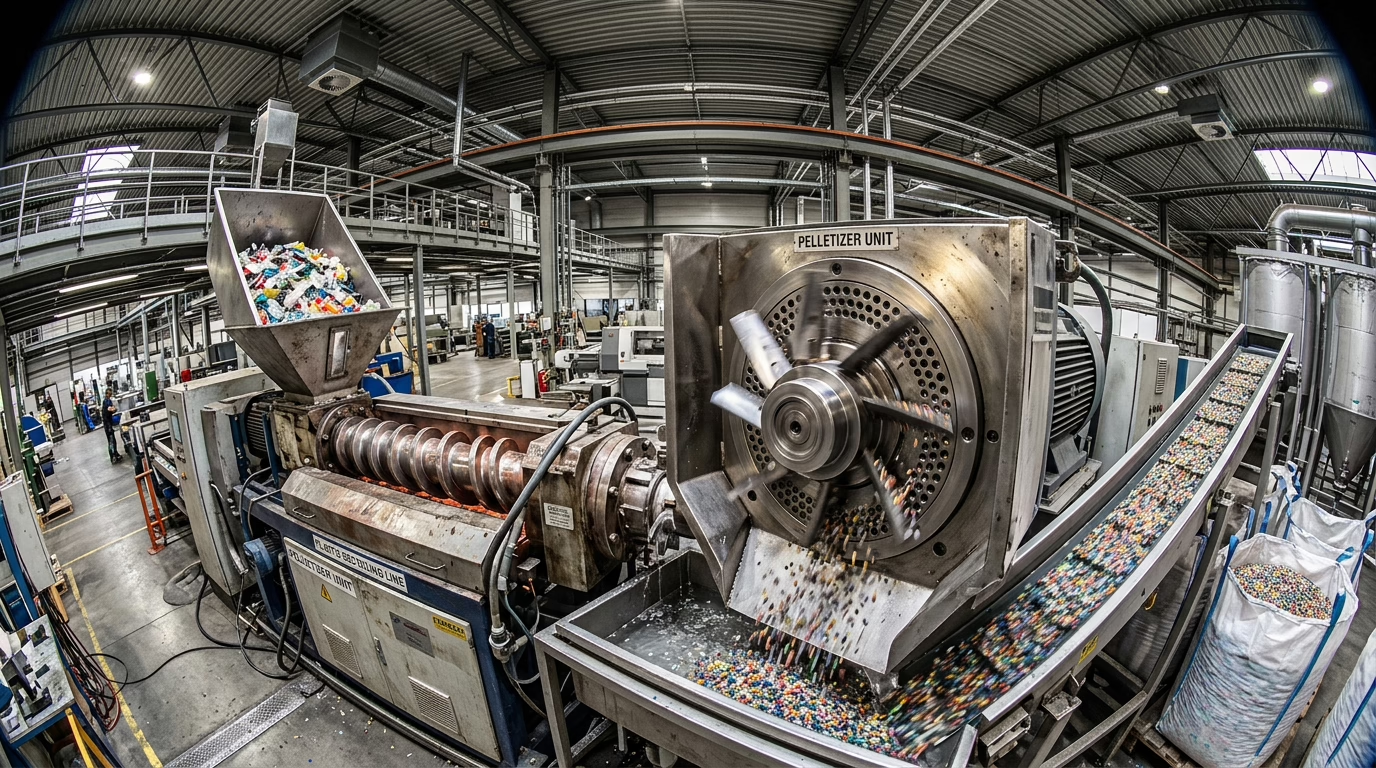
recycling industry due to their exceptional strength and longevity.
Virgin Tungsten Carbide Blades
Virgin tungsten carbide blades are made entirely from newly mined tungsten ore.
These blades represent the purest, most consistent form of carbide—ideal for applications requiring maximum precision and durability.
- Hardness: Very high (~HRC 92)
- Blade Life: Longest possible; optimized for continuous production
- Performance: Consistently sharp and stable for precision cutting
- Applications: High-speed converting, technical films, foils, pelletizing, and textiles
- Cost: Higher, due to extraction and refinement of virgin tungsten
- Sustainability: Requires mining, resulting in a higher environmental footprint
Virgin carbide blades are the best choice when blade longevity and cutting precision are non-negotiable.
Recycled Tungsten Carbide Blades
Recycled tungsten carbide blades are produced using reclaimed carbide scrap, worn tools, and inserts that are refined back into usable raw material.
With the right process, the resulting material retains nearly the same hardness and durability as virgin carbide—while offering strong sustainability advantages.
- Hardness: High (~HRC 92)
- Blade Life: Slightly shorter than virgin carbide
- Performance: Very good, with minimal reduction in edge retention
- Applications: Films, foils, textiles, and sustainable production environments
- Cost: More economical than virgin carbide
- Sustainability: Eco-friendly; significantly reduced carbon footprint
For companies pursuing circular manufacturing or greener production,
recycled tungsten carbide blades offer an impressive balance of performance, economy, and sustainability.
Virgin vs Recycled Tungsten Carbide Blades: Detailed Comparison
| Feature | Virgin Tungsten Carbide | Recycled Tungsten Carbide |
|---|---|---|
| Hardness | Very high (HRC ~92) | High (HRC ~92) |
| Blade Life | Maximum, longest possible | Slightly shorter |
| Performance | Consistently sharp | Very good |
| Cost | Higher | More economical |
| Sustainability | Requires new mining | Eco-friendly, reduced footprint |
| Best For | Precision-critical, long-run operations | Sustainable, cost-conscious operations |
This tungsten carbide blades comparison shows that recycled blades provide nearly equivalent performance at a lower cost, while dramatically improving environmental impact.
Choosing the Right Blade for Your Application
When to Choose Virgin Tungsten Carbide Blades
Opt for virgin carbide when your production requires:
- Maximum wear resistance and edge retention
- Continuous, high-speed converting or precision film cutting
- The lowest possible downtime due to blade replacement
Virgin carbide delivers the most consistent and durable cutting results, even under extreme load and speed conditions.
When to Choose Recycled Tungsten Carbide Blades
Select recycled carbide when your priorities include:
- Reducing production costs without major performance sacrifice
- Supporting eco-friendly and sustainable manufacturing practices
- Meeting corporate carbon-reduction or circular-economy goals
With their lower environmental footprint and competitive pricing, recycled blades are an increasingly popular choice for forward-thinking manufacturers.
Sustainability and the Future of Industrial Cutting
The recycling of tungsten carbide reduces the need for mining and lowers CO₂ emissions significantly.
Each recycled blade contributes to a more sustainable production chain, aligning with global efforts toward resource efficiency and circular manufacturing.
As recycling technology continues to advance, the performance gap between virgin and recycled carbide is narrowing.
The future of industrial cutting will likely rely on high-grade recycled materials that deliver both performance and sustainability.
Conclusion
Both virgin and recycled tungsten carbide offer outstanding performance, hardness, and wear resistance.
However, this virgin vs recycled tungsten carbide blades comparison shows that each serves different operational priorities:
- Virgin carbide delivers maximum durability and precision.
- Recycled carbide provides eco-friendly, cost-effective cutting performance.
By understanding the trade-offs, manufacturers can make an informed decision that aligns with both their production efficiency and sustainability goals.
Read more about tungsten carbide and it’s qualities in this wiki.