
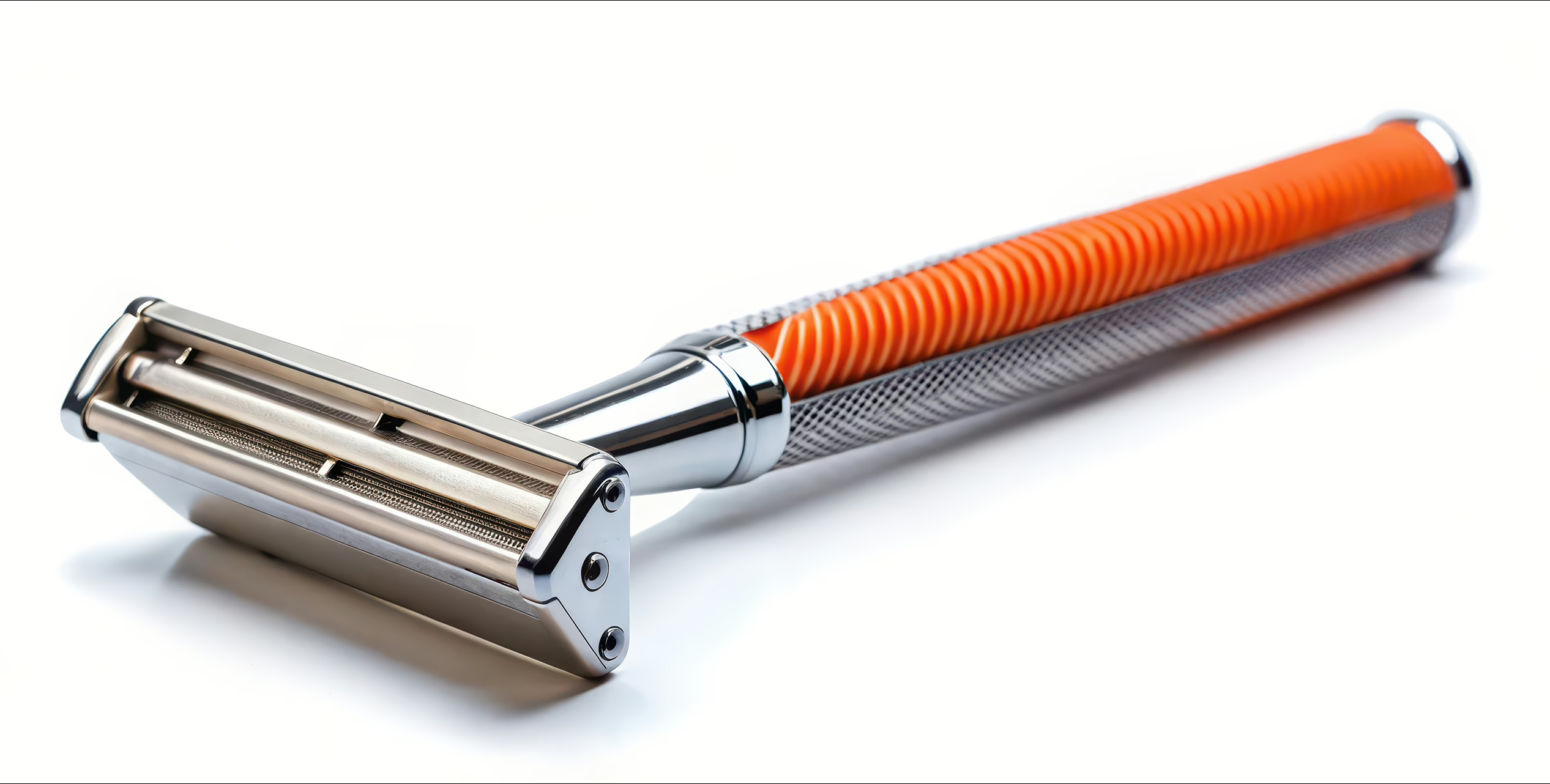
Single-Edge Razor Blades: Versatile Tools for Precision and Safety
Single-edge razor blades, though originally designed for traditional shaving razors, have evolved into essential tools for a wide range of tasks beyond just grooming. With a sharp edge on one side and a protective metal spine on the other, these blades serve as efficient cutting and scraping tools. Their design not only makes them safe to handle but also versatile enough for use in both professional and everyday settings.
Ideal for Scraping and Surface Cleaning
 One of the most common uses for single-edge razor blades is as a surface scraper. Their fine, sharp edge allows for precision scraping of hard surfaces, whether you’re removing paint from windows, eliminating tough stains from countertops, or cleaning grease off oven racks. The unique edge configuration of the blade—designed to cut smoothly and without piercing the skin—makes it particularly useful for tasks that require both safety and effectiveness.
In the United States, single-edge razor blades are found in many households, where they’re used for a variety of cleaning tasks. From removing unwanted adhesives to restoring the clarity of glass and tiles, these blades offer a quick and cost-effective solution for cleaning surfaces without damaging the material underneath. For example, they are indispensable for window restoration, where old paint or grime can be easily scraped off to leave a clean, clear surface.
Applications in Crafts, Industry, and Automotive
Beyond household cleaning, single-edge razor blades are essential in several industries and crafts. They are widely used in picture framing, where their sharp edges allow for the precise cutting of paper, mat board, and other materials. This makes them indispensable for professionals in the art and framing industry.
In industrial cleaning and janitorial services, single-edge blades are often used for cleaning ovens, glass, and other hard-to-reach areas that require a delicate touch. Their ability to safely remove dirt, paint, and adhesives makes them a staple in professional cleaning toolkits.
In the automotive aftermarket, these blades are especially useful after windshield repairs. Technicians often use single-edge razor blades to remove excess adhesive, paint, or residue from glass. Although abrasives have taken over some of these tasks in recent years, razor blades are still preferred for certain precision tasks, especially when it comes to removing stubborn substances from auto glass or metal surfaces.
Blade Materials: Stainless Steel vs. Carbon Steel
 The construction of a single-edge razor blade plays a significant role in its performance and durability. Blades are typically made from either stainless steel or carbon steel, and each type offers distinct advantages depending on the application.
Stainless Steel: This material is softer and more flexible, making it easier to bend or contour the blade to fit curved surfaces. Stainless steel blades are commonly used in tasks that require both precision and flexibility. Their resistance to rust and corrosion makes them the preferred choice in industries like medical device manufacturing, where maintaining a sterile environment is crucial. Stainless steel blades are often oil-free and wrapped without paper, making them ideal for cleanroom settings, such as those used in the production of catheters or medical tubing.
Carbon Steel: Carbon steel blades are harder and typically more affordable than stainless steel blades, making them an attractive option for high-volume tasks. These blades tend to hold their sharpness longer and can be oiled to prevent corrosion during storage. Although they’re not as flexible as stainless steel, carbon steel blades are well-suited for tougher, everyday applications, from removing paint or adhesives to scraping away grime in industrial and automotive settings.
Enhanced Safety and Tool Compatibility
 For those using single-edge razor blades frequently, safety is a top priority. Many blades come with safety dispensers that allow for secure storage and easy access, preventing accidental cuts or mishandling. Furthermore, many single-edge blades are designed to be used with specialized tools, like scrapers, to improve handling and provide better control. These tools help users safely apply pressure when scraping surfaces and reduce the risk of injury.
Some blades are also designed with additional safety features, such as rounded edges or protective coatings, which can help reduce the chances of accidents in high-risk environments. The combination of these features ensures that the blades remain functional for precision tasks while keeping safety at the forefront.
Choosing the Right Blade for the Job
When selecting a single-edge razor blade, it’s important to consider the task at hand. Blades come in various thicknesses and metals, and understanding the material properties will help you make the best choice. For delicate tasks requiring flexibility, a stainless steel blade might be more suitable, while for tough, everyday scraping, a carbon steel blade may be a better fit.
Whether you’re using the blade for household cleaning, industrial applications, or intricate craftwork, there is a single-edge razor blade that meets your needs. The key is to match the blade’s material, thickness, and safety features with the specific requirements of the job.

